
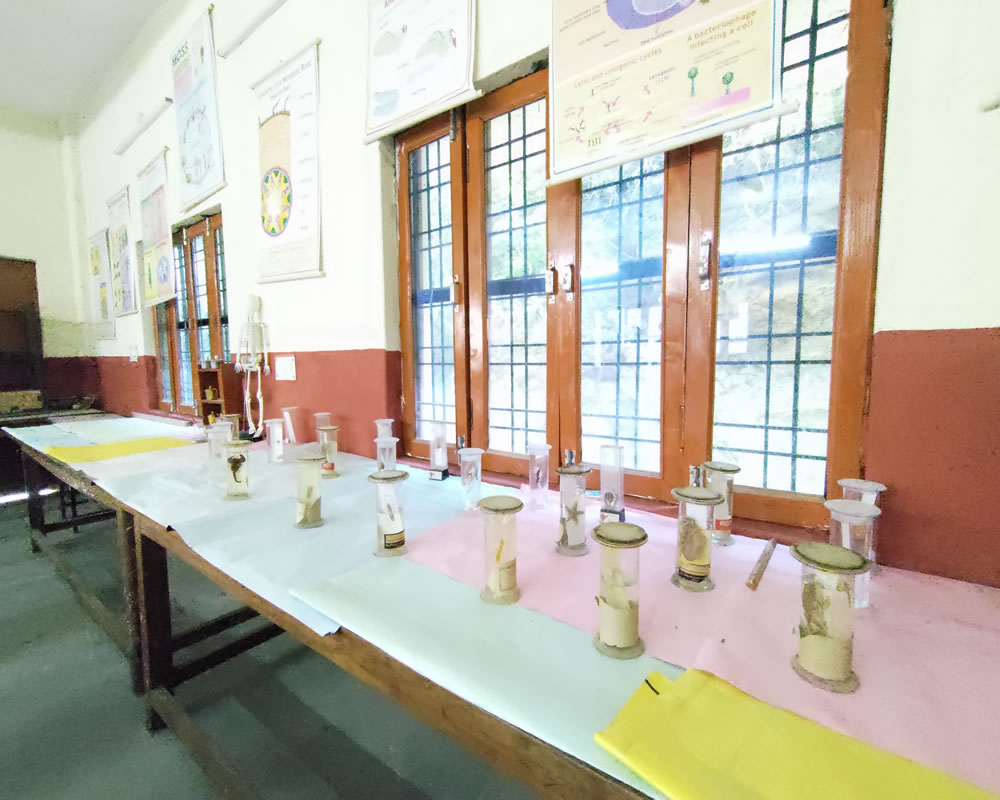
A school science laboratory is a crucial space for hands-on learning, enhancing students’ understanding of scientific concepts beyond theoretical knowledge. These labs provide students with the opportunity to conduct experiments, develop critical thinking, and foster a love for science. A well-equipped lab with appropriate safety measures is essential for effective science education.
Key Roles of a Science Laboratory:
Enhancing Learning: Science labs bridge the gap between theoretical concepts and practical application, making learning more engaging and effective.
Developing Scientific Skills: Students acquire experimental skills, critical thinking, problem-solving abilities, and teamwork through lab activities.
Fostering Interest in Science: Hands-on experiences can spark a passion for science and potentially encourage students to pursue science-related careers.
Supporting Different Science Disciplines: Separate labs (chemistry, physics, biology, etc.) with specialized equipment allow for focused learning.